Woman Was Misdiagnosed with Bipolar Disorder for 20 Years Until a Second Opinion Saved Her Life
After nearly two decades of living under the shadow of a misdiagnosis, Suzanne F. shares how seeking a second opinion turned her entire world around. How did everything change for her after twenty years?
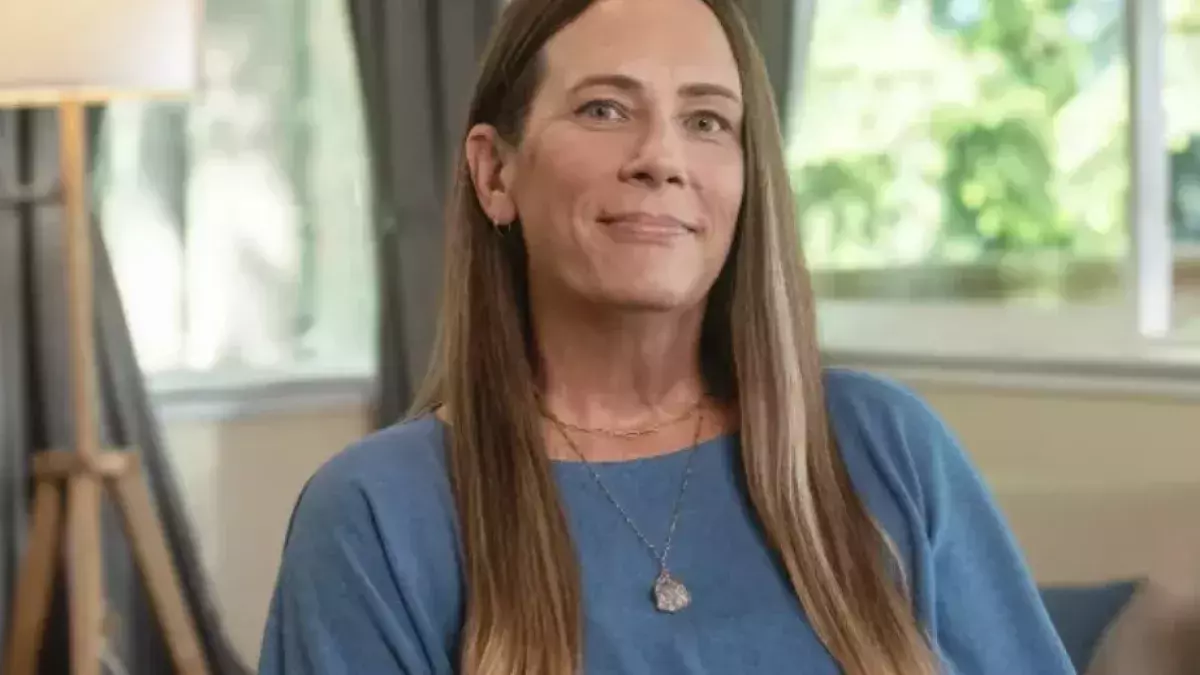
If you had spent your adult life convinced you had one condition, could you handle being told it was something else all along? That’s exactly what happened to Suzanne F., a 50-year-old substitute teacher. Her journey through the maze of mental health diagnosis began back in 2003, while she was pregnant and facing what doctors called bipolar II disorder (BD-II) shortly after giving birth. For the next twenty years, this label defined her life—until fresh eyes finally saw things differently.
From Bipolar Diagnosis to Starting Over
In 2023, Suzanne went through yet another painful episode. This time, her family stepped in—they insisted she needed another evaluation, even as she struggled to advocate for herself. The second opinion wouldn't have happened without their push. Her care team took the time for a thorough two-hour interview and combed through her detailed medical history. That moment changed everything: her diagnosis shifted from bipolar II disorder to major depressive disorder (MDD). It was a relief, Suzanne explained, having finally found a care team that asked new questions rather than relying on previous labels. She credits the shift to a proper and complete evaluation, which included the support of those closest to her when she felt unable to speak up for herself. This change brought not only a different approach from her doctors, but also renewed hope that things might finally improve after years of feeling misunderstood.
Seeing Progress: “I got my hope back”
The change wasn’t just in name. Her treatment plan was overhauled to match her new diagnosis. With Caplyta—used as an adjunctive treatment alongside an oral antidepressant for MDD—Suzanne saw real improvement. "For the first time, I felt like I could wake up with energy. I started enjoying walks, gardening, and even made lists of things I wanted to accomplish." She even reported a renewed ability to sleep, as well as improvements in her mood and motivation. Old routines, like planning school support with her daughter, resurfaced alongside new personal ambitions—like reaffirming her vows and embarking on travel adventures she’d long shelved. She shared, “It saved my life.” This transformation gave her the confidence to look forward and contemplate things she hadn’t imagined in years. Projects she once considered too overwhelming, such as home redecorating or reconnecting with friends, began resurfacing as possibilities. The improvement was so marked that Suzanne found herself advocating for mental health awareness and supporting others considering a second medical opinion.
The Power of Support and Reassessment
Suzanne’s story highlights the crucial role of self-advocacy and empowering loved ones to speak up when someone cannot. Her advice is to never hesitate asking for a second opinion, especially when faced with persistent struggles or when something feels wrong with a long-standing diagnosis. She underscores the importance of involving supportive friends and family during times of vulnerability. For those needing immediate support, resources such as the 988 helpline—available for call or text—plus a 24/7 chat at 988lifeline.org, are available at any time. Medical authorities like the Cleveland Clinic and Mayo Clinic support careful, ongoing evaluation in complex cases like hers. Newer treatments, including Caplyta in conjunction with oral antidepressants, reflect just how far approaches have come for adults living with MDD.
Hope and Advocacy for the Future
Suzanne’s experience pushes a vital message: don’t give up if the path seems muddled. She's now looking to help others, planning to raise awareness about mental health and the importance of self-advocacy. Her story dares us to ask—how many more could “get their hope back” if only someone listened or asked the right questions?
Sources used:
Woman Was Misdiagnosed with Bipolar Disorder for 20 Years (Exclusive)
Read more:
"I'm Not Supposed to Be Loved": Reacher Star Alan Ritchson Shares Heartbreak
"It's not the show we've ended up with": Gemma Collins’ Life Changes Shape Her Docuseries
"Welcome to the world, River. Our little bit of hope": Inside Kelsey Parker’s emotional new chapter