Woman, 30, devastated after 'lactose intolerance' turns out to be symptom of incurable cancer
L’histoire de Lauren Carey révèle les dangers d’un cancer de la vessie caché derrière des symptômes similaires à une intolérance au lactose, soulignant l’importance d’un diagnostic précoce et d’une vigilance accrue.
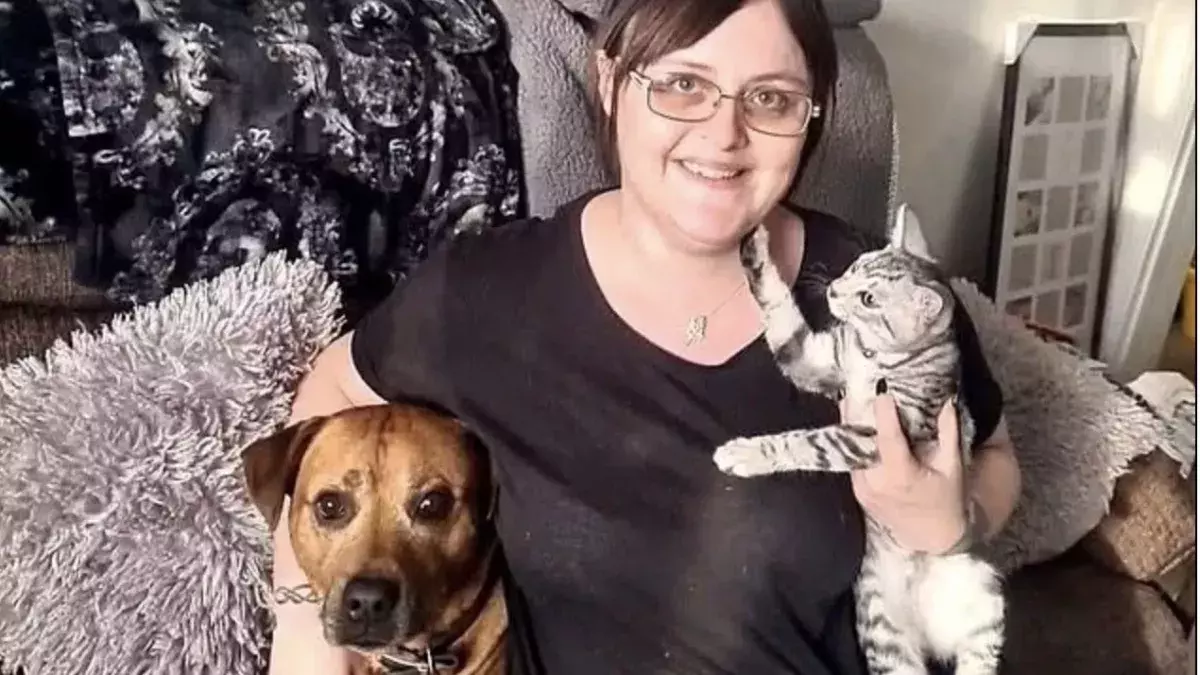
At just 30 years old, Lauren Carey's life has taken a shocking turn that no one saw coming. What started as routine stomach troubles changed everything for this Surrey woman. Could persistent symptoms hide something far more sinister than lactose intolerance? Let’s dive into the story that’s now a wake-up call for patients and healthcare professionals alike.
From misdiagnosis to a life-altering revelation
Lauren Carey grew up fighting health battles most of us can barely imagine. Born with exstrophy of the bladder—a rare condition where the bladder develops outside the body—Lauren faced surgery after surgery in childhood and had to use a urinary catheter from the age of eight. Fast forward to her twenties: bouts of nausea and vomiting, blamed on possible food intolerances or irritable bowel syndrome by her doctors, became a worrying pattern. As the months dragged on, her “digestive” problems got written off as routine, with treatments like antibiotics for supposed infections but little physical investigation.
Her story took a drastic turn when a lump appeared in her abdomen. This was the first real clue that something more serious was going on. After being referred to palliative care and learning the true diagnosis, Lauren’s world shifted. All those years of coping, the catheters, the surgeries—now she faced the reality of incurable bladder cancer. The cancer had returned with force, spreading into her pelvis and abdomen, diagnosis confirmed in November 2025.
The risks of long-term catheter use and the importance of trust in healthcare
Lauren’s journey has exposed not only the dangers of late diagnosis but the often overlooked risks faced by people with life-long health conditions. Her use of catheters since childhood increased the likelihood of developing bladder cancer—something doctors apparently failed to communicate. Action Bladder Cancer UK has highlighted that such risks are not as rare as the public might think.
Her sister Megan has now stepped up, speaking out against what she calls shortfalls in Lauren’s medical care. Megan has rallied support, launching a fundraiser to help Lauren fulfil some of her dearest wishes, including a visit to Port Lympne Safari Park. Megan’s message is loud and clear: patients deserve to know their risks, and to have their concerns taken seriously.
“We were never told it could lead to something as serious as this,” Megan insisted.
Meanwhile, Lauren’s GP practice, Modality East Surrey Medical Practice, has offered its condolences to the family and encouraged others to come forward if they have similar concerns about their own care. They stated:
"We always want to listen to patients and families and address concerns when they arise.”
The hope for others and recent medical developments
Lauren’s situation is a stark reminder of the importance of pushing for answers when things feel off. Her story comes at a time when the NHS has announced a new treatment for advanced bladder cancer, involving enfortumab and pembrolizumab. According to recent NHS updates, this combined therapy could “double survival rates for some patients.” Sadly, for Lauren, her cancer is too advanced to benefit from this breakthrough, and she is now only able to receive comfort care as treatment options become too risky.
But hope remains for others—it’s a message to keep questioning, keep pushing, and always advocate for your own health. For Lauren, her family and supporters are focusing on making her remaining time as fulfilling as possible. With her story, more people now understand how vital it is to look past the obvious and demand thorough investigations for persistent symptoms, especially for those with lifelong medical challenges.
Community response and legacy of awareness
Lauren’s bravery and Megan’s determined advocacy have sparked a valuable conversation far beyond their family. The crowdfunding campaign is already receiving support, reflecting people’s desire to give Lauren joyful memories despite the circumstances. As Megan puts it, they hope Lauren’s experience “raises awareness so that others don’t face the same fate.”
Can Lauren’s journey change how we talk about hidden health risks? Her story shows the strength of family, the importance of being heard, and why nobody should ever be left fighting for answers alone.
Read more:
How many steps a day could slow Alzheimer’s progression? Scientists share unexpected insights
Woman lies to husband about working late—then he sees who’s in car
How the NHS Is Shaking Up Prostate Cancer Diagnosis With Same-Day AI Results
Sources used: