"taking each stage very lightly" – What is really happening for expats fleeing Dubai?
While social media is flooded with reassurances that Dubai remains the world’s ‘safest place’, behind the scenes, expat families are desperately booking £100,000 private jets to escape a region gripped by missile strikes and confusion. An inside look at how reality and official messaging are colliding.
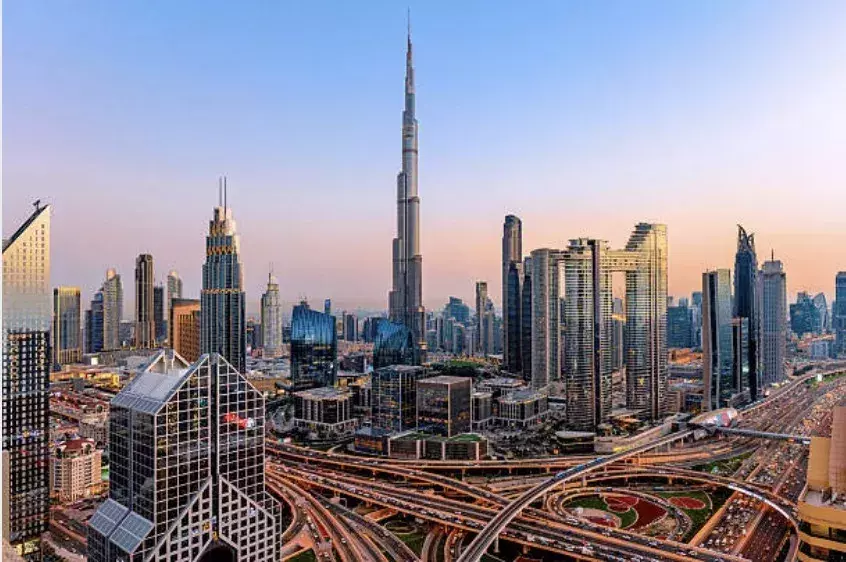
Dubai’s confident image has been shaken in the wake of Iranian missile and drone attacks striking the region, causing unprecedented panic for expats and tourists alike. As official outlets continue to project calm, airports are turning into zones of anxiety, with thousands scrambling for any means of evacuation. Among the reassuring posts and polished selfies, many families are keeping their true fears off the record, pressured by strict laws that threaten jail for sharing anything that might ‘damage the country’s reputation’.
Influencers versus reality: The struggle to leave a "safe haven"
In the immediate aftermath of Iran’s retaliatory strikes, some 4,000 flights a day were cancelled or delayed, paralysing travel across the Gulf. Dubai’s main airport itself was forced to halt operations, resuming only limited flights as anxious crowds and confusion dominated the terminals. The impact has been dramatic: families desperate to get out found themselves paying up to £100,000 for private jets. For context, flights from Muscat to Istanbul soared to over £70,000, more than twice the regular price, while single-family evacuations with jets could reach a staggering $250,000, according to insurance reports.
Despite these scenes, the digital echo chamber of Dubai’s influencer community paints a different picture. Social posts by the city’s famous residents – from reality stars to lifestyle bloggers – echo a common refrain: "the safest country in the world" as Luisa Zissman termed it, and "This is what safety feels like. This is what resilience looks like. This is UAE," posted Petra Ecclestone. German influencer Stefania Guarnieri insisted, "Right now, missiles are being intercepted here in Dubai. And yet we feel safe," while others reassured followers, "Aren't you afraid? No, because I know they're protecting us." Amid jets roaring out and people anxiously boarding, Laura Anderson shared the intimate reality:
"Everyone on board is very quiet, I assume on edge a little like me. My dad’s favourite song just came on, so I’m feeling positive."
Law, speech and the price of calm: Official warnings and silent departures
Behind the curtain of public optimism, Dubai’s government has tightened control over information. Sharing “outdated images of past incidents” is strictly forbidden, with the Dubai Media Office warning:
“Legal action will be taken against those who publish or republish such content in violation of UAE law."
These laws are far from symbolic; fines up to £200,000, prison sentences of up to five years, and deportation for those seen as ‘undermining’ national morale are squarely on the table. In this tense climate, even influential personalities, such as Vicky Pattison, have been keen to avoid hyperbole:
“Currently what we've been advised through government channels is that they are intercepting missiles competently and efficiently and what has subsequently caused damage and tragically harm is falling debris.”
On the ground, however, the rush to get out has brought a surge in demand for whatever transport is available, including security convoys charging thousands for six-hour drives to open airports in Oman or Saudi Arabia. Families report spending more than ten hours on the road, minibus prices jumping from a few hundred pounds to several thousand. According to Charles Robinson of EnterJet:
“We have seen a vast uplift in requests ...with pets on board in the last 24 hours as families based in the region make the decision to totally remove themselves.”
The UK’s Foreign Office has urged citizens to avoid all but essential travel to the Emirates, and the British Prime Minister, Sir Keir Starmer, confirmed: “in the coming days”, two repatriation flights will depart Oman, underscoring just how tight the window for a safe exit feels for many.
The unravelling image: Content creators and a crisis of confidence
Dubai’s lifestyle economy, built on over 50,000 content creators, is facing its toughest test. The National described local scenes as deceptively normal:
“The traditional souqs…are bustling, as visitors inspect wares, seek out discounts and take photos in front of the spice market. Labubus and Dubai-branded chocolates tempt tour groups from around the world. There is no visible sign of fear.”
But not everyone is convinced. Media commentator Marina Hyde pointedly observed:
“The thing that Dubai has used all of this army of people to say about itself is, in fact, suddenly not the case. It is not a place – currently – of safety,” reflecting how the city’s carefully curated aura has been “pulled out from underneath it.”
For ordinary expats, the sense of whiplash is keen. After years of embracing Dubai’s luxury, some now question for how long the city can maintain its dual reality: a showcase of invincibility on social networks, and a place where fear and rapid exits are kept off the grid. Even Petra Ecclestone admitted:
“We came to Dubai to feel safe, and we finally felt like we were settling in, and now this has happened.”
Read more:
“Thank you for all your messages”: Kate Ferdinand speaks out after Dubai air strikes
“I genuinely did not expect I'd be saying this”: Suzanne Shaw opens up about her emotional split
"I try and look at it a slightly different way": Peter Andre opens up as Junior leaves home
Sources used:
Expats scared to speak out about the scramble to leave Dubai: Families face being jailed by social media police for criticising response as they pay £100,000 for private jets | Daily Mail Online