Under-16s could be banned from social media by the summer
The UK government is considering a bold move: banning under-16s from social media as early as this summer. What’s driving this push, and how likely is a quick change?
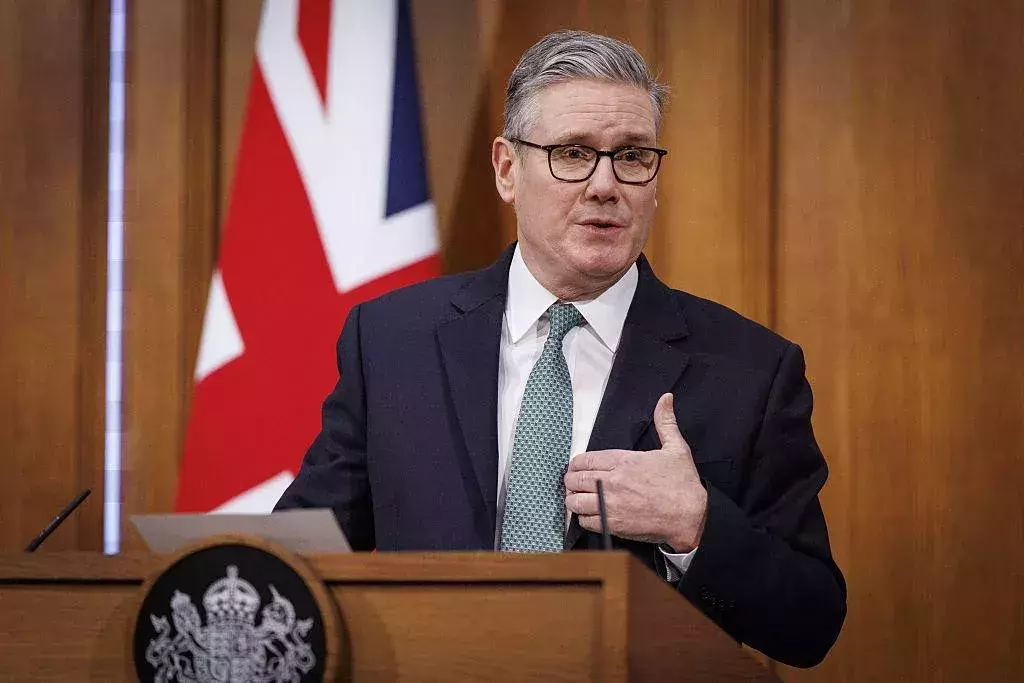
Westminster is buzzing after talks about a new law that could soon affect every British teenager under 16. Following mounting pressure within his own party, Keir Starmer, the Prime Minister, is preparing to back a potential ban on social media for those under 16. Discussions kicked off after a significant defeat in the House of Lords, with rapid changes likely on the horizon. But what’s really going on, and why now?
What’s Behind the Push for a Social Media Ban?
The debate has sharpened dramatically this year. Recent headlines from Australia have grabbed attention: it became the first nation to outlaw social media use for those under 16. This decisive move has set off calls for the UK to follow suit. Over 60 Labour MPs are now openly demanding the British government enact a similar ban to protect adolescents.
The feeling in Parliament is tense. Not only Labour MPs, but also Lords from both sides have lined up behind a tougher line. A cross-party amendment recently swept through the House of Lords. It requires an immediate social media ban for under-16s, and that’s put the government under intense scrutiny.
Baroness Berger said:
“We need to act swiftly to protect children from the very real harms of social media.”
Extreme? Perhaps, but even those dedicated to child welfare, including Baroness Kidron and Baroness Cass, are pleased to see the issue finally being addressed so strongly—even if they’re divided about how the new law should take shape.
Government Caught Between Parties and the Lords
This is all happening fast. Though the government has voiced opposition to enforcing an immediate ban via amendment, they’ve clearly had to take action. A three-month public consultation is now underway about the possible restriction. The government insists more evidence is needed before rewriting the law, but with the summer deadline looming, stalling might no longer be enough.
“Unless the government moves quickly, it risks a significant parliamentary backlash,” noted Lord Nash, Conservative peer and former Education Minister.
That risk is real: if nothing is done, Labour faces a potential rebellion when the child welfare bill returns to the Commons. By promising decisive new legislation right after the consultation, Starmer and his team hope to placate critics—at least for now.
Key figures including Baroness Smith of Malvern, Baroness Berger and Lord Nash say the time for action is now. With more than 60 Labour MPs already backing a ban and Australia’s law as a blueprint, it’s not hard to imagine the UK could see similar changes soon.
Public Concerns and the Potential Impact on UK Teens
The debate isn’t just political—it’s deeply emotional. The health and well-being of children, the power of TikTok and Snapchat, and the pressure for the UK to follow Australia’s urgent example all fuel heated exchanges in Parliament. Many lawmakers point to growing data about the negative effects of social media on young minds.
If the new ban goes through, it could be enforced almost immediately, thanks to so-called “secondary legislation.” That means Parliament won’t need to pass an entirely new law, accelerating the process. It also means British teenagers could see their online freedoms change literally overnight.
Baroness Kidron said:
“It is vital we protect children now, not later, regardless of the challenges.”
Will this be enough to satisfy worried parents and politicians? Or will more debate—and possible backtracking—lie ahead? With the government promising rapid action once the public consultation wraps up, a nation waits to see what this summer will bring for its teenagers.
Read more:
"I'm so scared of being nothing" Robbie Williams shares daughter Teddy's midnight anxiety
Woman, 30, devastated after 'lactose intolerance' turns out to be symptom of incurable cancer
The Kennedy Curse: Coincidence or Genuine Family Tragedy?
Sources used: