
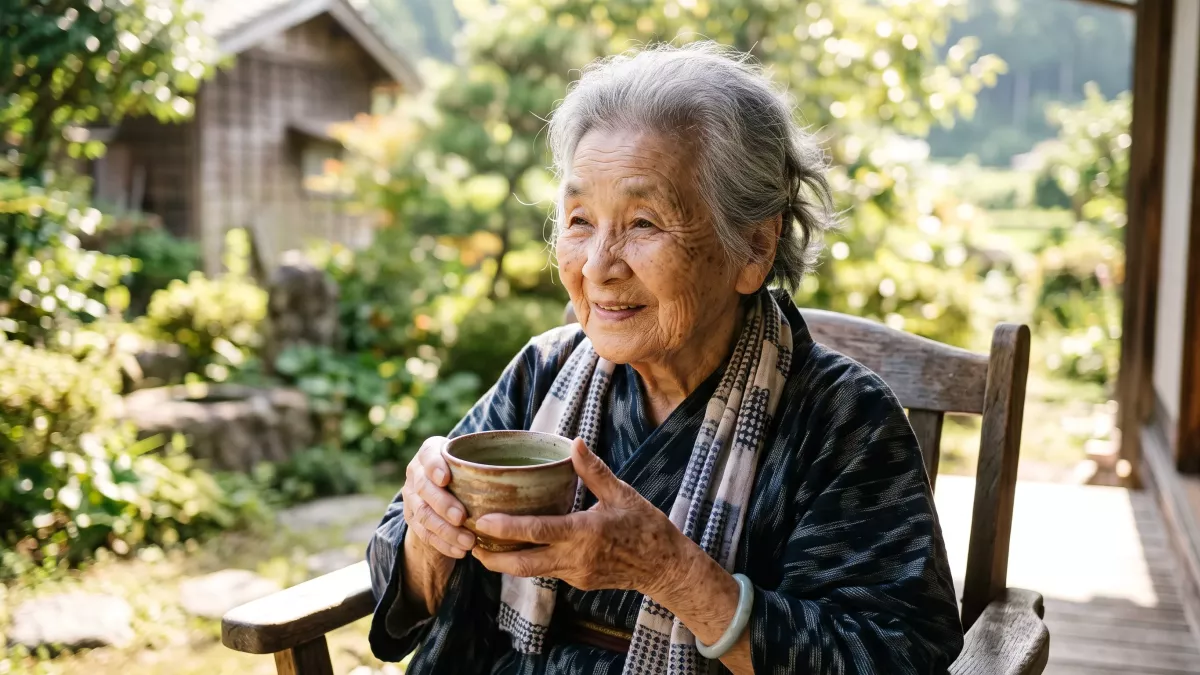
The number of centenarians in Japan has exceeded 100,000 for the first time
Japan has reached a stunning demographic milestone: the number of centenarians has surpassed 100,000 for the very first time. This unprecedented statistic sparks questions about longevity, society, and the future of a nation facing unique demographic pressures.
It’s official—Japan just set a new record for the oldest generations among us. According to the Japanese Ministry of Health, there are now “107,677 people aged 100 and over” across the country, as of the first of September 2026. Nearly 90% of them are women. For the 56th consecutive year, this group keeps growing and has now hit a number few countries could imagine. The announcement comes just days before the nation celebrates its annual Respect for the Aged Day, making the moment all the more significant.
Japan’s Longevity Boom: Behind the Numbers
The rise in centenarians in Japan isn’t an overnight phenomenon. It’s the outcome of decades marked by increased life expectancy. Back in 1963, when such statistics were first officially counted, nobody would have predicted this leap. Today, Japan’s median age stands at 49.9 years—making it the second “oldest” country in the world, right after Monaco, according to the World Bank. The scale of this trend is staggering: 107,677 people celebrated their hundredth birthday or more, and the record continues to break each passing year.
The demographic picture is closely tied not just to longevity but also to a persistent drop in fertility rate. In fact, Japan’s fertility rate hit yet another record low in 2025. This steady decline means that while the number of centenarians keeps rising, the country welcomes fewer and fewer newborns, reshaping the age structure of Japanese society in a dramatic way. Each new year adds not just more centenarians, but also strengthens Japan’s reputation for exceptional life expectancy worldwide.
Living Long, but Is There a Catch?
With so many citizens living well beyond 100, it’s easy to focus on the achievement—but the picture isn’t entirely rosy. The AFP highlights deeper issues brewing under the surface. Last year, Japan’s fertility rate dropped again, reaching an all-time low in 2025. That means the nation is getting older faster than it’s growing. As a result, Japan faces “labour shortages, swelling social security bills and a shrinking tax base.” These challenges are now front-of-mind in national debates about the country’s future.
What does a society look like when its youngest generations grow ever smaller, and support systems must stretch further for a surging elderly population? Economic and political pressures are intensifying for leaders and communities, especially as healthcare and pension expenses soar. Families feel the impact too, often supporting multiple generations at home, while public discourse ponders innovative policies to reverse or at least soften these deep trends. Can Japan maintain its economic dynamism with so few young workers and so many older citizens, or will the stress reshape its traditions, workforce, and communities for good?
How Does Japan Compare? Lessons from the Neighbours
Japan’s demographic landscape stands out sharply against its neighbours. Across the sea, South Korea recently experienced a rare upturn: both birth rates and fertility ticked up in 2024 for the first time in years, spurred by an uptick in marriages. This contrast throws Japan’s longevity story into sharper relief—it isn’t just about living longer, but how a society adapts when fewer children are born and the elder population keeps growing. While Japan holds its unique spot near the top of the longevity charts, other countries are watching and perhaps wondering: can they avoid the same demographic squeeze?
The focus on South Korea highlights the regional complexity of population issues. Whereas Japanese policymakers wrestle with discouraging statistics and ballooning costs, their neighbours have found, however briefly, a different dynamic. Some commentators in World Bank reports and demographic analyses point to social policy, the changing face of marriage, and employment reforms as factors that could influence outcomes across East Asia. In Japan, though, tradition runs deep and the shocks from such profound demographic shifts still reverberate through urban and rural settings alike.
A Country Ageing Together: What’s Next for Japan?
If longevity is an achievement, it’s also a challenge. The celebration of Respect for the Aged Day might spark joy and pride, but it also reminds millions that solutions are urgently needed. Will Japan’s experience inspire fresh answers—to healthcare, work, and family support—that the entire world may one day need? The centenarians themselves might say they’ve already seen a lifetime of change, but for Japan, the story is far from finished.
That future remains uncertain, not least as policymakers weigh reforms and society debates new definitions of work, family, and care in old age. Supporters argue that a culture valuing elders could provide new opportunities and fresh perspectives for communities growing older together. Critics, however, warn that without structural change, the pressure on younger generations could turn acute. As each September brings the sight of more centenarians being honoured, the question lingers: will Japan’s exceptional longevity remain its greatest strength—or will it become its greatest test?
Read more:
“It’s been a difficult time for me” as Julia quietly unfollows Lorenzo after Love Island split
Big Brother legend 'Nasty Nick' shares real reason for 'feud' with co-star
Princess Diana’s ‘revenge dress’ expected to sell for £220,000 at auction
Sources used:
The number of centenarians in Japan surpasses 100,000 for the first time